
Mark Allen Chevrolet - Which full-size SUV offers the smarter hands-free driving for highway commutes around Tulsa, OK: the 2026 Chevrolet Tahoe or 2026 Ford Expedition?
Why this question matters for everyday driving
Hands-free driving isn’t a party trick anymore. If you log real miles on I-44 or US-75, the way a full-size SUV handles long, straight stretches and dense traffic can change how refreshed you feel when you arrive. That’s why so many shoppers ask a focused question: which system feels smarter for daily life—Super Cruise® on the 2026 Chevrolet Tahoe or BlueCruise on the 2026 Ford Expedition? Both are designed to reduce the workload on compatible highways, but the details around visibility, trailering support, and how features layer together make a practical difference for families and commuters around Tulsa, OK.
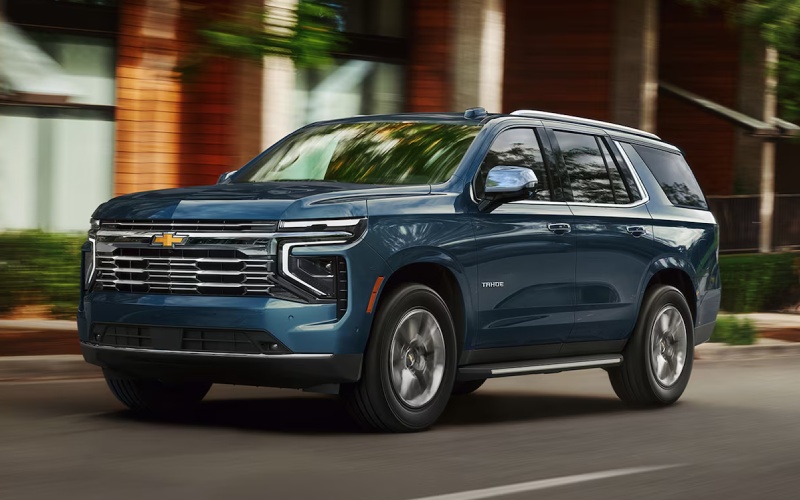
Chevrolet has steadily refined Super Cruise® across millions of hands-free miles, and the latest Tahoe pairs it with an interior built for clarity: the best-in-class 17.7-inch center touch-screen and available 15-inch Head-Up Display surface guidance and navigation details without pulling your eyes off the road. Expedition counters with a wide 24-inch panoramic display spanning the instrument panel plus a 13.2-inch center display, and BlueCruise brings its own ease on controlled-access highways. At this level, the confidence you feel often comes from how well the rest of the SUV supports the system, from camera views to lane-change awareness to how serenely the chassis rides at speed.
How these systems support real routes around town
On long drives along US-75 or when traffic bunches up heading toward the Inner Dispersal Loop, the way the vehicle communicates matters as much as the headline feature. In the Tahoe, available HD Surround Vision, up to 14 camera views, and the available 15-inch Head-Up Display work together to keep you oriented during merges, lane changes, and exits. Super Cruise® can assist on compatible divided highways and is designed to support hands-free towing—important if your weekends include a small camper or a pair of jet skis bound for Keystone Lake. Expedition’s BlueCruise operates on Blue Zones across the U.S. and Canada and offers a confident hands-free feel on compatible interstates; its 360-degree camera and trailering assistants are helpful when hitching up or navigating parking lots, too. The overall experience comes down to how naturally the interface and ride quality settle into your daily rhythm.
Speaking of ride quality, Tahoe’s available Magnetic Ride Control and available Four-Corner Air Ride Adaptive Suspension calm expansion joints and imperfect pavement, helping your passengers stay settled and quiet—priceless on a school run. Expedition’s Continuously Controlled Damping (CCD) takes a different approach to smoothing the ride. Both are effective; the Tahoe’s combination of adaptive air suspension and magnetic damping provides a distinctly composed feel during lane changes and over broad, highway-speed undulations.
Trailering and situational awareness
Hands-free help is great, but families also need to park at crowded venues, back into drives, and pull trailers with confidence. Tahoe’s advanced trailering technology can present up to 14 camera views, including transparent trailer-style perspectives and hitch guidance that make lineups less stressful. Add Blind Zone Steering Assist with Trailering and Reverse Automatic Braking combined with Rear Cross Traffic Braking, and you get a system that actively helps you manage bigger loads in tighter spaces. Expedition answers with Pro Trailer Backup Assist™ and Pro Trailer Hitch Assist™, plus a 360-degree camera and Reverse Brake Assist. Both SUVs are capable, but the Tahoe’s sheer number of camera perspectives and trailering-focused driver assists gives you more options when room is tight and time is short.
There’s also a day-to-day quality-of-life advantage in Tahoe’s interface. With the best-in-class 17.7-inch touch-screen and available Head-Up Display, guidance cues and camera angles are easier to parse at a glance. For commuters who juggle conference calls, school pickups, and quick stops across midtown, that clarity reduces mental clutter so you can focus on what’s ahead.
Choosing the right ecosystem for your family
Beyond hands-free driving, look at how the rest of the vehicle supports your routine. Tahoe offers seating for up to nine, generous cargo room up to 122.7 cu. ft., and available premium touches like Bose Centerpoint Surround Sound. Expedition brings its own thoughtful interior options, including leather-trimmed seats on upper trims and available 24-inch wheels for big presence. Both integrate Google apps, wireless smartphone mirroring, and robust suites of driver assistance features. The intangibles—how the controls feel under your fingers, how the suspension soaks up patched asphalt, how clearly the vehicle communicates when you’re towing—often decide the winner for your driveway.
One more practical point: both systems continue to evolve with map updates and software improvements. The Tahoe’s OnStar® ecosystem supports service, safety, and connectivity needs for the long term, and Expedition’s Ford Digital Experience brings its own path for connected features and content. Factor these into your long-view ownership expectations.
- Hands-free on compatible highways: Tahoe offers available Super Cruise®; Expedition offers BlueCruise. Both target calmer commutes on controlled-access roads with clear markings.
- Visibility when it counts: Tahoe can show up to 14 camera views, plus available HD Surround Vision and a large Head-Up Display for low-speed precision and highway clarity.
- Ride composure for real roads: Tahoe’s available Magnetic Ride Control and available Four-Corner Air Ride deliver a settled, quiet feel that families appreciate on long stretches.
- Define your routes: If your week includes regular interstate miles, prioritize hands-free capability and interface clarity.
- Confirm towing needs: Look at trailering camera views, hitch aids, and whether hands-free features are designed to support towing.
- Test for ride quality: Drive the same highway segment in both SUVs to feel the difference between adaptive suspensions.
Frequently Asked Questions:
Does Super Cruise® work on every road?
No. Super Cruise® operates on compatible, divided highways and requires appropriate conditions and driver attention. You remain responsible for safe operation.
Can I use hands-free driving while towing?
Tahoe’s available Super Cruise® is designed to support hands-free driving with a properly equipped trailer on compatible roads. Always verify limitations in the Owner’s Manual and remain attentive. For Expedition, consult Ford guidance for the latest BlueCruise trailering parameters.
Do these features require subscriptions?
Connectivity and hands-free features may require active plans after trial periods. Tahoe integrates with OnStar® for services and updates; Expedition supports BlueCruise through Ford’s connected services. Terms can change—ask your consultant for current details.
If you want to explore how these systems feel in the real world, schedule back-to-back drives on your actual commute. One consistent route will quickly reveal which SUV communicates more clearly and settles into your routine.
Mark Allen Chevrolet, proudly serving Tulsa, Broken Arrow, and Jenks, can set up a Tahoe route that mirrors your daily drive so you can evaluate Super Cruise®, camera views, and ride composure with confidence.
Request more 2026 Chevrolet Tahoe information
Categories:
Chevrolet Tahoe