

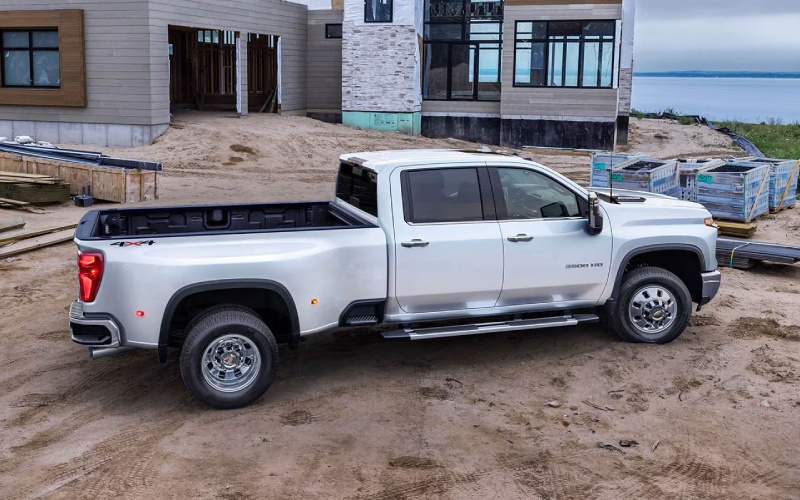
Mark Allen Chevrolet - Do I Need Dual Rear Wheels on the 2026 Chevrolet Silverado 3500 HD for Work Around Sapulpa, OK?
Choosing between single rear wheels and dual rear wheels on a heavy-duty truck is more than a style preference—it determines how your 2026 Chevrolet Silverado 3500 HD handles stability, payload, and real-world trailering. Around Sapulpa, OK, where highway crosswinds meet rolling grades and tight jobsite entries, the right axle choice can make your day more productive and less stressful.
To help you decide, we’ll look at how DRW and SRW setups affect towing and payload, which engine pairs best with your loads, and which trailering technologies make the biggest difference when you’re coupling, backing, and merging with a long trailer in traffic.
Frequently Asked Questions:
What’s the practical benefit of dual rear wheels on the Silverado 3500 HD?
Dual rear wheels increase rear-axle footprint, improving lateral stability and distributing weight more evenly across the tires. On the 2026 Silverado 3500 HD, DRW configurations unlock higher payload ratings and more confident tracking with tall, heavy trailers. If you routinely tow large fifth-wheels, goosenecks, or heavy equipment, DRW can reduce sway sensitivity and help the truck feel planted in crosswinds and when passing semis. For tight urban routes or narrow driveways, SRW remains easier to maneuver and park.
Does the Duramax diesel make a difference for DRW owners?
Yes. The available Duramax diesel 6.6-liter V-8 delivers 470 horsepower and 975 lb-ft of torque, powering a maximum tow rating up to 36,000 pounds when properly equipped. Paired with the Allison 10-speed automatic, the diesel’s low-end torque complements DRW stability, especially when you’re pulling up long grades, starting on inclines, or threading through traffic with a heavy trailer. If you tow heavy several days a week, the diesel-DRW combination is the benchmark for easy, predictable control.
What tech helps SRW trucks tow with more confidence?
The Silverado HD’s available 14-camera multiview system, including transparent trailer view, is a difference-maker regardless of axle choice. On SRW trucks, those camera angles help you align hitches faster, maintain lane position, and see around tall trailers at low speeds. Add available adaptive cruise control optimized for trailering, and you get a calmer highway experience with fewer surprises and less fatigue—great for contractors who tow moderate loads daily and want easier maneuverability on local streets.
How do I choose cab and bed lengths for SRW vs. DRW?
Start with payload needs and turning space. DRW trucks are at their best with heavier payloads and taller trailers; regular cab and long-bed options maximize capacity, while Crew Cab long-bed trims add comfort for teams or family trips. SRW trucks balance capacity and agility, especially as Crew Cab short-bed models fit better in garages and tight lots. Either way, the 2026 Silverado 3500 HD offers regular, extended, and Crew Cab choices and short or long beds to align with your parking and cargo demands.
Beyond axle selection, consider how visibility and connectivity tools streamline your day. The Google-based infotainment system with standard Apple CarPlay and Android Auto makes it easier to manage calls, maps, and jobsite check-ins. LT and above trims include a 13.4-inch touchscreen for fast access to camera views and trailer profiles. Those profiles let you track maintenance, run light checks, and store settings for multiple trailers—ideal if your work week ranges from equipment runs to weekend RV travel.
Still weighing SRW vs. DRW? Think about your most challenging scenarios. If you traverse windy highways with a tall fifth-wheel or deadhead heavy equipment on uneven roads, DRW stability reduces stress and preserves your margin for error. If your day includes frequent city stops, parking garages, and tight driveways, SRW’s narrower track and lighter curb weight simplify life without sacrificing the Silverado HD’s core strength.
When you’re ready to test both setups, bring your trailer specs and your most common route details. Our team will outline realistic build options, including the gasoline 6.6-liter V-8 for lighter, occasional towing and the Duramax diesel for frequent heavy hauls. We can also demonstrate the camera system, adaptive cruise control, and how trailer profiles keep your rig organized from Monday to Saturday.
Mark Allen Chevrolet is serving Jenks, Bixby, and Sapulpa with the product knowledge and hands-on demos that make SRW vs. DRW an easy call. The right answer is the truck that fits your workload today and scales for tomorrow’s opportunities—backed by visibility, control, and a cab that keeps your team comfortable all day long.
Request more 2026 Chevrolet Silverado 3500 HD information
Categories:
Chevrolet Silverado 3500 HD